
Laura and I know how difficult it can be to live with a disability or chronic illness in our society. But we also know that it is difficult for outsiders and healthy people to understand our everyday lives and need. This raises the question of how the everyday lives of people with disabilities or chronic illnesses can be made more comprehensible to others.
Christine Miserandino, a woman affected by lupus, came up with a solution to this problem some years ago. Miserandino was having lunch and enjoying herself at a diner with her best fried, when she told her that she wanted to know what it feels like to be her and sick. Not what the effects of lupus are.
Miserandino didn’t understand the question at first and was puzzled. She had known her best friend for years and she had been by her side when she had good days and very bad ones, too. But after proccessing, Miserandino understood that knowing about the symptoms and consequences of a disease is not the same as understanding how it affects everyday life.
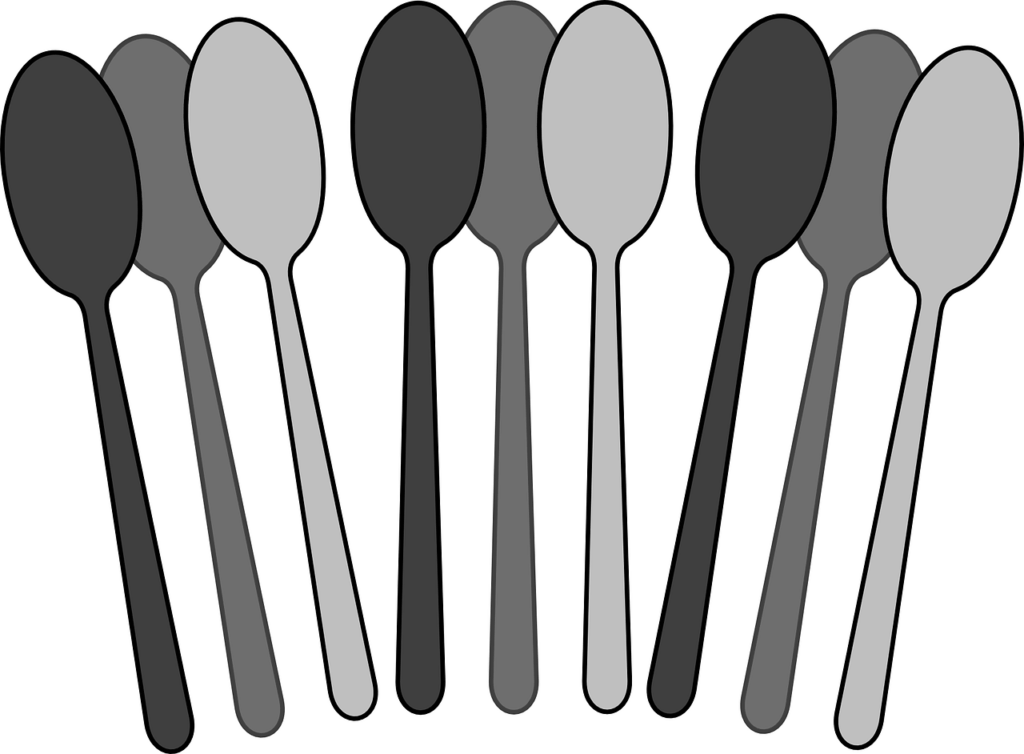
To make her answer more practical, Miserandino picked up twelve spoons and continued by explaining that each spoon represents the amount of physical and mental energy a chronically ill or dissabled person has avaiable every day. She emphasised on how she has to plan every single activity carefully so that she won’t run out of energy in the middle of the day and be left with no strenght to complete essential tasks such as cooking, showering and even going to work or universiy. We encourage you to read the whole story about how Miserandino came up with this innovative explanation approach at the following link: https://butyoudontlooksick.com/articles/written-by-christine/the-spoon-theory/
What can we learn from here?:
- It’s okay to ask politely how a certain disability or illness affects life, specially if you are close to the respective person. However, it ought be respected if this person does’t wish to talk about it or feels uncomfortable doing so.
- People with disabilities or chronic illnesses experience a different reality than healthy people. This reality of life should be respected, never judged, put in question or dissmised as inferior, irrelevant.
Let’s sum up the facts: The everyday life of people with dissabilities or chronical illnesses is generally different from that of healthy people. Thus, it’s only logical to assume that their everyday chess life is also different. With this knowledge, Laura and I have developed the pawn theory. The Pawn Theory follows the same approach as Christine Miserandino‘s Spoon Theory. However, it relates to the challenges that people with disabilities or chronic illness face in everyday chess.
Note:
Laura and I are not medically trained professionals. We do not intend to provide scientifically proven content with a guarantee of completeness and correctness. We simply want to encourage an exchange between people with disabilities and chronic illnesses and those who are not affected. To this end, we endeavor to pool our experiences as affected chess players. From our shared experiences, we then try to offer help and suggestions to make the world of chess more inclusive. This is also the case with our pawn theory.

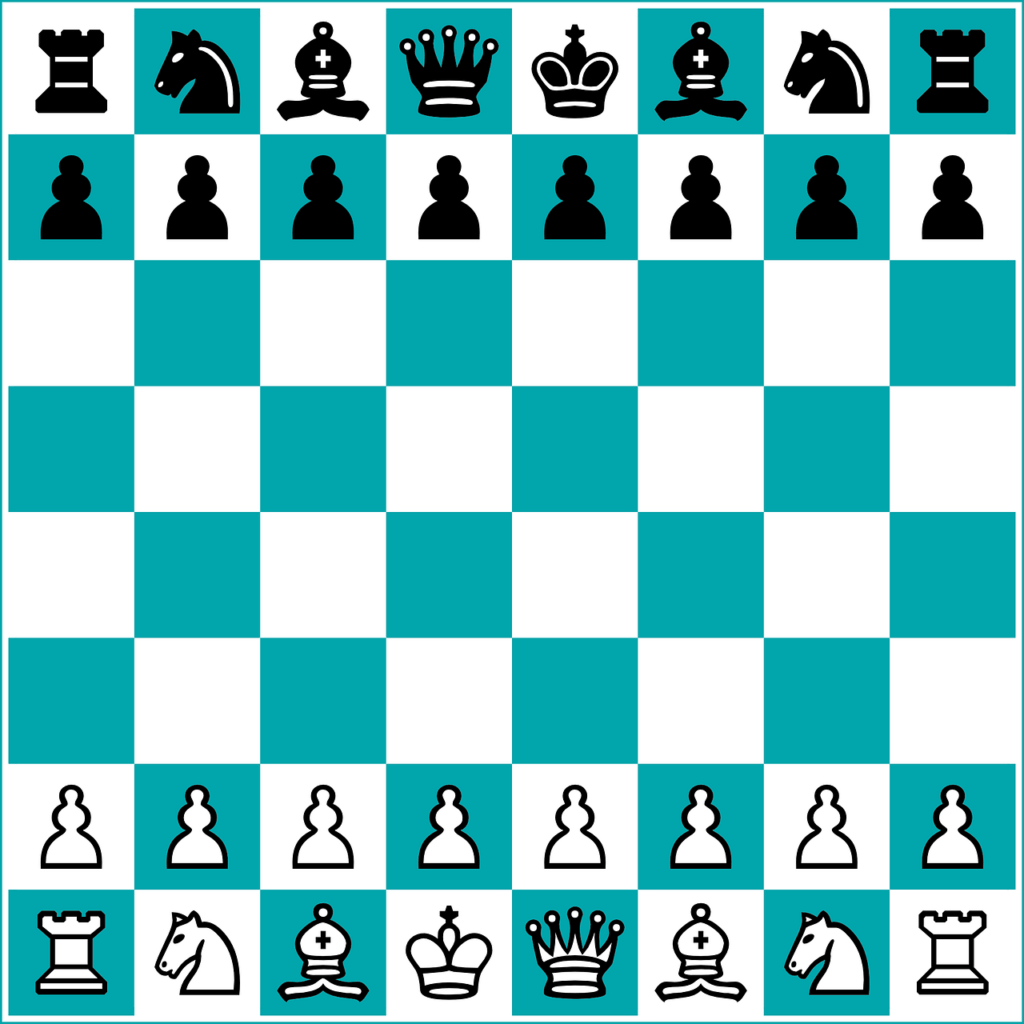
Our pawn theory assumes that every chess player has pawns instead of spoons. In a chess game, every player has eight pawns at their disposal. However, a chronically ill or disabled person has fewer pawns available from the outset. This is because chronically ill or disabled people struggle every day with many complaints that are often invisible. These can be: anxiety, pain, taking medication, rapid exhaustion, the need for an assistant, different stimulus processing, the need to go to the toilet more often, having to measure blood pressure or blood sugar, etc.
These complaints cannot be taken away from the affected persons. This means that chronically ill and disabled people will (almost) always play at a disadvantage at the board. This is not due to their chess ability or will, but to their illnesses or disabilities. However, it is possible to prevent these people from losing even more pawns. There are many bureaucratic and other obstacles that take away many valuable pawns from chronically ill and disabled chess players. These are: no barrier-free websites of tournaments or clubs, no barrier-free registration for tournaments or events, no disabled toilets in clubs, associations or other venues, no ramp or barrier-free entrance and exit at venues and meeting points, no willingness to help those affected to reach venues or participate in chess, insults or hostility towards chronically ill and disabled people, hotels and tournament halls that are not barrier-free, etc.
In the following example, Lena is chronically ill and has a walking disability as a result. Lena would like to take part in a chess tournament :
- Lena cannot find any information on the accessibility of the venue in the registration form. Lena searches in vain in the registration office for a person she can contact to clarify this.
- Lena has to stay in an accessible hotel far away from the venue and therefore cannot benefit from the discount.
- Lena has to travel with an accompanying person because Lena is often dependent on help due to non-accessible obstacles. Lena has to pay for this assistant herself or relatives/friends have to take time off work to accompany Lena .
- Lena is late for the tournament because the city bus (which is marked as barrier-free with a wheelchair ramp) has broken down and another bus has arrived. Lena therefore has to wait for the next bus or order and pay for a cab for wheelchair users.
- Lena arrived at the tournament tired, sad and stressed.
- Lena doesn’t have time to go to the toilet before the match.
- Lena therefore has to go to the toilet with her assistant during the match. However, the tournament referee does not allow this. Lena has to walk a very long way alone to get to the disabled toilet.
- Lena finds cleaning buckets blocking the disabled toilet. Lena has to use a lot of strength and energy to clear away the obstacles because Lena couldn’t take a companion with her. Due to her disability, Lena needs more time in the toilet than healthy people. Lena returns to the tournament hall and is very tired from the extra effort.
- Lena took 20 minutes to go to the toilet. However, the referee refused to stop the clock. Lena therefore lost 20 valuable minutes to think due to external obstacles.
- Despite everything, Lena plays well and wins a prize. However, Lena cannot get on the podium without a ramp. A ramp is nowhere avaiable. Lena is therefore presented with her prize in front of the podium on the floor.
- Lena is not in the winners’ photo, as Lena has no access to the podium. The other prizewinners do not go down from the stands to take the photo with Lena.
- During the tournament,Lena hears whispers and gossip about her appearance and her visible disability.
- Lena returns from the tournament exhausted and with bad experiences.
- Lena is sad because she wasn’t respected like all the other participants.
This simplified example shows:
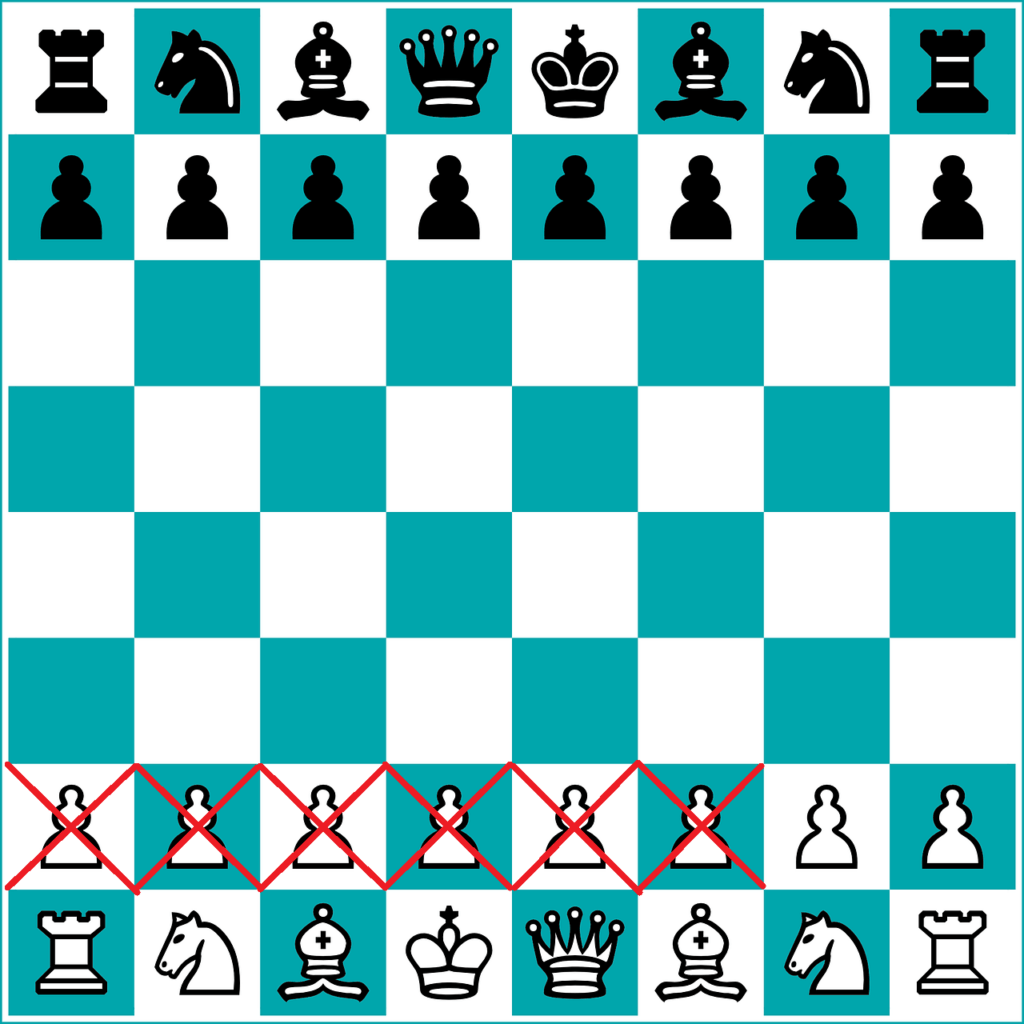
- Lena would start the game with two pawns down because Lena suffers from chronic pain and this weakens her concentration.
- Lena loses another farmer because the barrier-free bus didn’t arrive as announced.
- Lena loses two more pawns due to the obstacles to the toilet, exhaustion and loss of time.
- Lena loses another pawn because her opponent made fun of her conversation with the arbiter. Lena feels uncomfortable and hurt.
- So Lena only has the game with two pawns out of six or even seven pawns that Lena has if she doesn’t have to overcome any additional obstacles.
- Lena also had to pay a lot more money than healthy participants.
- We illustrate that inclusion only makes things fairer for all chess players. Inclusion does not give away pawns. However, inclusion prevents additional pawns being taken away from chronically ill and disabled people due to non-accessible framework conditions.
- Lena will avoid chess tournaments because of this experience, because she felt disrespected. As a result, Lena’s talent cannot develop and a great player is lost.
Summary:
Only if compensation for disadvantages and successful inclusion are ensured can all chess players participate equally in chess life. Compensation for disadvantages, aids or assistance are not gifts or “extra pawns”. They ensure that chronically ill or disabled people can concentrate on playing chess just like healthy people.
Inclusion is an attempt to ensure that everyone can play chess under the same conditions. If inclusion is successful, it prevents pawns from being unnecessarily taken away from those affected.

Leave a Reply